Symbiosis
The network for reciprocal relationships.
Welcome
Life is dependent on relationships.
To be in a relationship means two or more things are connected, and that can take a variety of forms.
Relationships are a foundational part of the natural world's structure. Humans are nature's mirror. We rely on relationships just as much as nature does to function. That is why it's so important to intentionally choose what kinds of relationships to nourish in our lives; they help build our structure and promote our growth.
When we feed the kinds of relationships that are reciprocal, our resources have the ability to multiply, and our bodies have the ability to be nourished, but we ourselves must also invest our time and energy back into the things that give us life to feel the benefits of the relationship.
Looking at ecosystem ecology allows us to learn so much about structures of relating that are properly nourishing. Studying humanity through time allows us to learn the ways that symbolism and gamification can be a powerful tool for motivation and inspiration. Symbiosis combines the two, weaving an intentional network of motivated souls who seek to do life differently, who seek to do life together. Symbiosis's mission is to provide people with a place to build their purpose projects while being supported by a community that nourishes them. We work with reciprocal energy exchange, asking each member of the network to give back to others as they receive, keeping abundance alive and the community thriving.
I started noticing how much of modern life runs on disconnection. Disconnection from self, others, and the world. We're surrounded by people, yet starved for the kind of accountable, inspiring, mutually beneficial relationships that actually let a person grow. We need more kinds of relationships where people are genuinely invested in their goals and support one another's ideas. I don't think we change that by accident. I think we have to build structures of relating that revolve around active participation, the way you'd build any resilient system: intentionally, structurally, and together. Symbiosis came to be so that our lives can become more supported by reciprocal relating.
Our Network Offerings
The Community Ecosystem
Practice all kinds of relating and goal-setting
The Symbiotic Network
Practice reciprocal relating
The Functional System
Practice accountability in reciprocal relating
Click on each of the offering cards to discover more details on the resources available to you.
Get Notified When Future Community Offerings Launch
Relationships in Nature
Learn about symbiosis in nature
In nature, any interaction between two organisms is considered to be a relationship. These interactions determine population sizes, community structure, and how energy and resources move through an environment.
Humans are organisms too, so we fit in with this description. I know it can sound weird to call a human an organism, right? But an organism is just a self-contained biological system capable of carrying out the basic processes of life. That includes humans. Using the word organism also helps explain how humans are directly connected to the natural world and follow the same laws of organization/relationship.
There are 6 different ways to name how organisms interact in nature. You can determine the name of a relational interaction between two organisms based on whether each species is helped (+), harmed (–), or unaffected (0) by the other's presence.
Out of these 6 different interactions, only 3 are symbiotic. You can determine which relationships are symbiotic by whether or not the relationship is sustained by both organisms remaining in close contact with one another. This close contact occurs because one or more of the organisms in the relationship is dependent on the other for its growth and survival.
Let's explore these relational names.
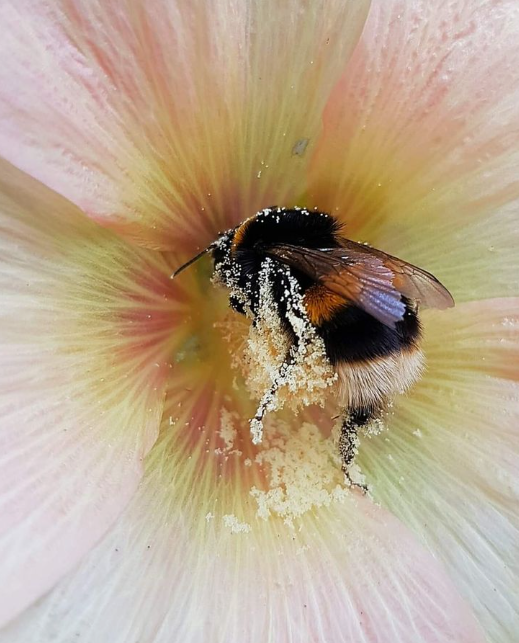
Mutualism
(+,+) both species benefit (e.g., bees and flowers)
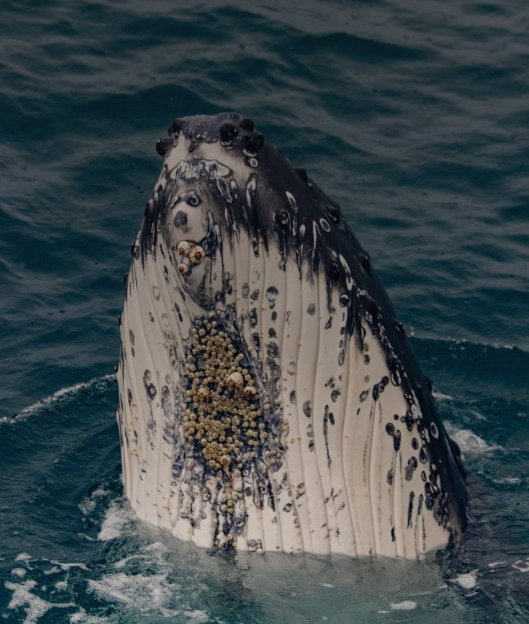
Commensalism
(+,0) one benefits, the other is unaffected (e.g., barnacles on a whale)
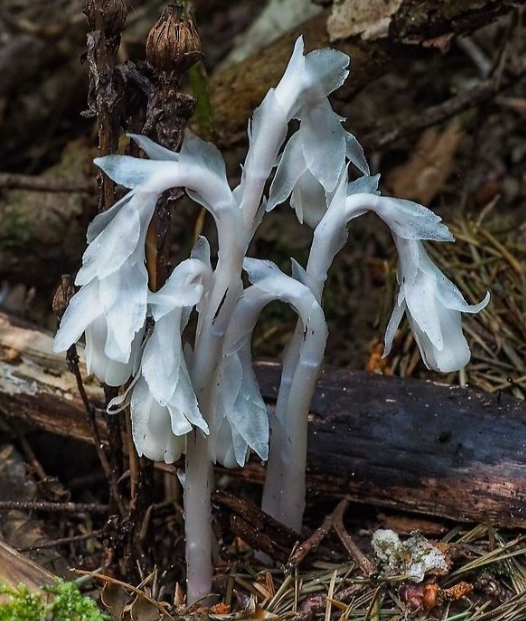
Parasitism
(+,-) – one benefits, the other is harmed (e.g., ghost pipe taking nutrients from spruce tree roots)
Educating ourselves on the forms of relationships in nature allows us to be able to discern what kinds of relationships exist in our own lives and what kinds of relationships we should invest in, for our own sustainability and growth.
A healthy ecosystem has a balance of all 6 kinds of relationships. The 3 kinds of symbiotic relationships that apply to us as organisms that share a community and remain in close contact are: mutualism, commensalism, and parasitism.
By calling this network Symbiosis and building a culture/interactive system that invites a close, contact-based way of relating means that we invite each other to depend on one another for our growth. That also means we have to learn how to be in right relationship to others to support our collective life force instead of hindering it.
Yes, depending on another organism for growth can be a scary contrast to what we were taught to do in this society. Our modern social systems often value individualism above all else, but nature was not built on doing things alone. Nature is stable and thriving because it has a giant web of relationships working in its favor to create balance.
We do not want to rely on others to anyones detriment. Therefore, we have to navigate how to be in a symbiotic relationship with others that is mutually beneficial.
Mutualistic symbiotic relationships can also be called reciprocal relationships or interdependent relationships, meaning that both parties give and receive positive reinforcement in a balanced exchange, mutually benefiting one another's lives.
In this network, we will be focusing on building mutualistic, reciprocal relationships, where both people can amplify their growth with each other's presence. We do not want to build parasitic symbiotic relationships; that would mean that we are pulling our community member down instead of building them up. We also do not want to build commensal symbiotic relationships because we want the energy that we invest in others and the energy that they invest in us to be returned and raised higher.
I believe that our modern human social ecosystem is out of balance because we are losing mutualistic types of relationships that are outside of our traditional workplaces and homes.
In the human ecosystem, we may see mutualistic relationships that are outside of the traditional workplace or home in several exemplary ways. These relationships may look like two mothers exchanging childcare, a group of scientists think-tanking to solve a social dilemma, two coworkers coming together for a potluck, or landowners working together on food propagation techniques. Of course, these relationships do exist today, but in a bubble. By building a network for the thinkers, the artists, the visionaries, the entrepreneurs, mutualistic relationships that work for us become more accessible and available.
Welcome to symbiosis, the network for reciprocal relationships.
I don’t plan on this project being easy. I don’t think it's easy to train people how to be in a reciprocal relationship with one another when all beings are so vastly unique and in need of different things. In fact, it is the diverse uniqueness of each individual that creates the habitable conditions for collective thriving. I don't expect there to be a “one-size-fits-all” kind of solution for building a reciprocal relationship network at scale. We all need something a little different, and that's perfect by design. We just need to work together. We need active participation within the community. We can’t have relationships that are one sided to be mutually beneficial to each other, and that is why Symbiosis is dedicated to creating the structure of a network through which the greater diversity of organisms can function. We will do this by creating incentives that encourage members to participate, with gamification and accountability rewards.
Think of symbiosis as the soil, and you as the expression of biological life. There will be built-in systems that help you express your unique gifts inside of the habitat that is Symbiosis, and you will find what is supportive of your niche. Together, we are certain to find the unexpected symbiotic relationships, and hopefully, you will build reciprocal relationships that are nourishing. What is certain is that every single member of this community will be oriented around the shared culture of seeking reciprocity in connection and building the life of their dreams, together. Everyone is going to get something different out of participating, and you are more likely to get benefits the more you show up and share with others about what you’re doing.
Symbiosis invites you into a deeper relationship with your life and the lives of others. Together we will devote ourselves to our purpose projects with intentional relational support.
Who walks through the door?
These symbiotic networks are for people who want to be the change they wish to see in the world, supported by an accountable community in an environment that nourishes their growth. This is for the creators, the builders, the thinkers, the feelers, the artists, the ones who know there's more life out there for them inside of a community that gives back. This is for people who want to be met in friendships that have reciprocal energy and inspiration at every step.
The Entrepreneurs
The people who are building spaces and structures to support fresh ideas
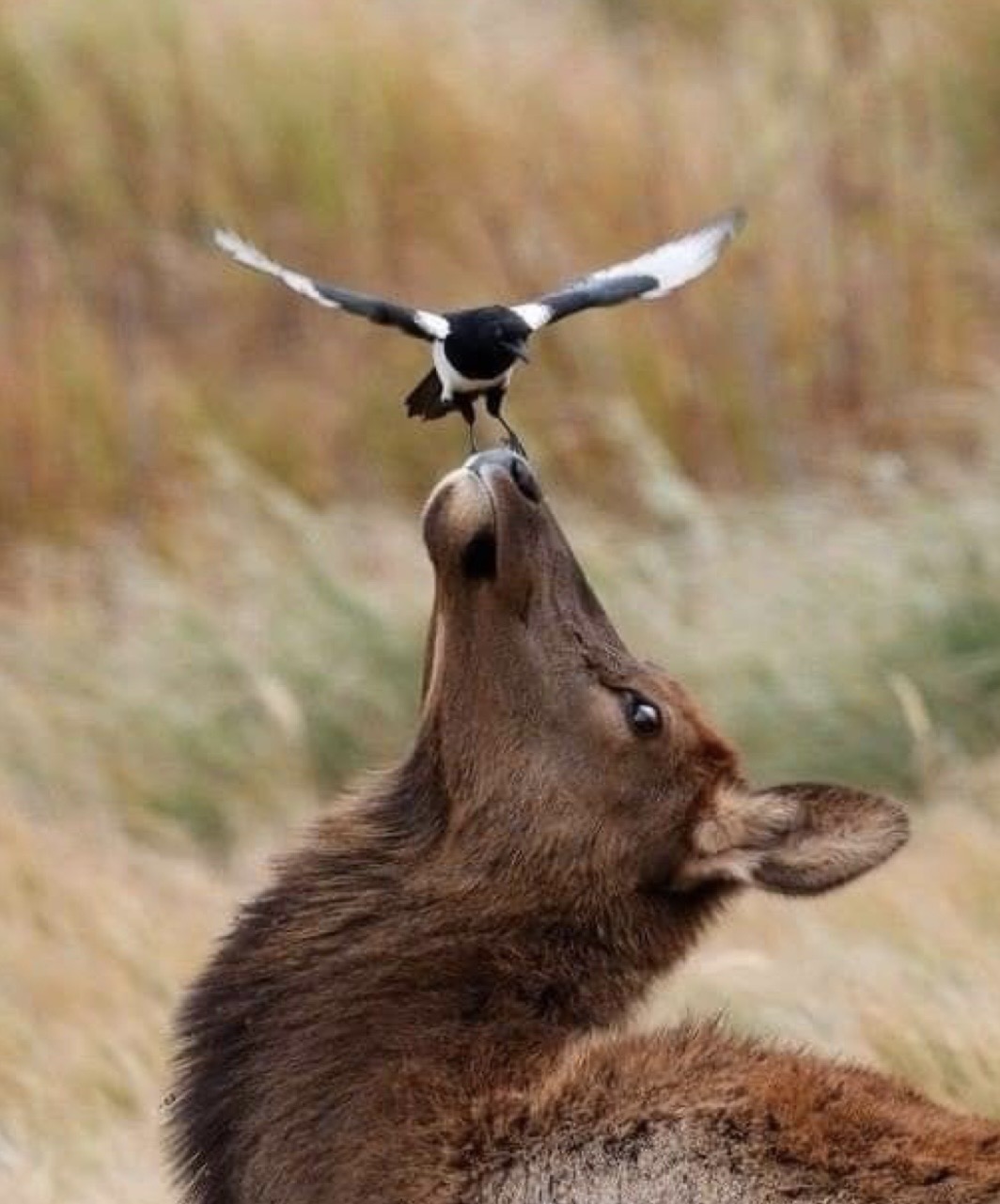
The Dreamers
The people who dream of a better world
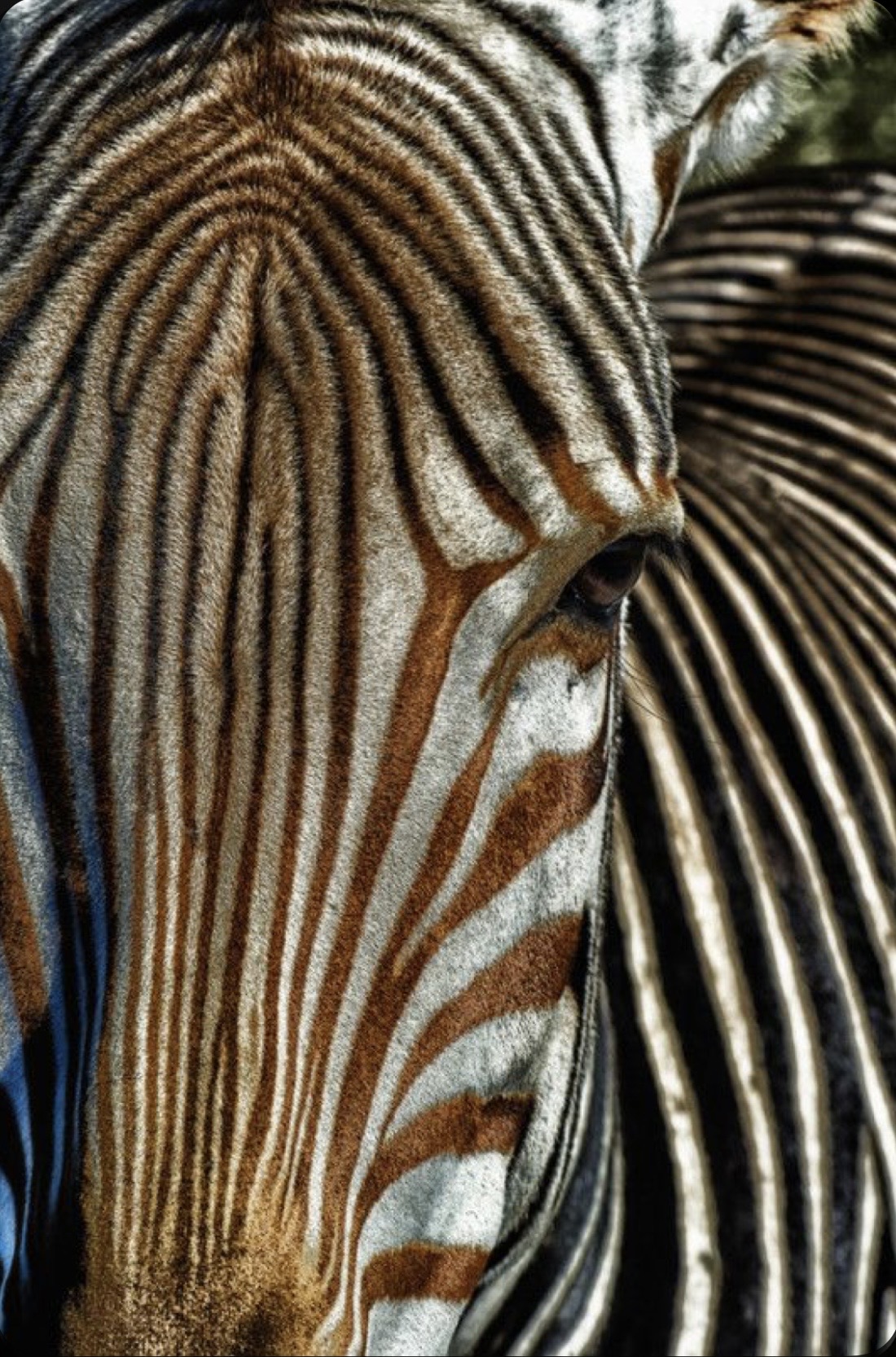
The Scientists
The people studying natural systems, looking to scale them